
Things To Keep In Mind When Installing A Handicap-Accessible Door
A handicap-accessible door does more than add convenience. It affects safety, mobility, and long-term usability in a home or commercial space. Well-designed entry points remove daily barriers and create a smoother experience for everyone who uses the property.
Many property owners consider accessibility upgrades during a home remodeling project to improve function while increasing overall value. Others combine accessibility improvements with window replacement and installation to create a more efficient and cohesive upgrade.
Entry systems often include durable options like fiberglass entry doors, which support long-term performance without sacrificing appearance. In settings where noise reduction matters, STC-rated glass doors may also be part of the conversation, especially in busy neighborhoods or multi-use properties.
Why Proper Door Planning Matters
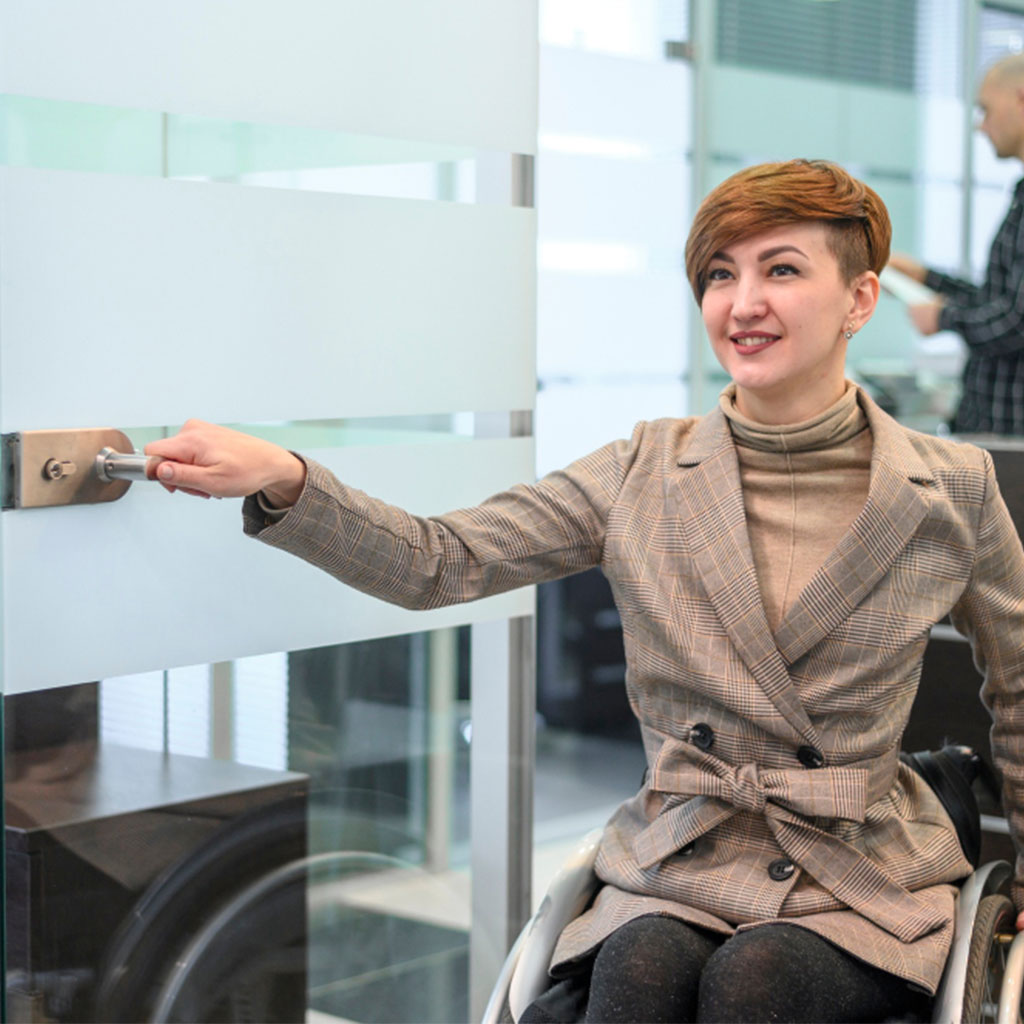
Accessibility is not just about widening a doorway. It involves a coordinated approach that accounts for clearance, hardware, threshold height, and ease of operation. A poorly planned installation can create new obstacles, even when the intention is to improve access.
Door placement has a clear influence on how a space functions. Tight hallways, uneven flooring, or awkward entry angles can limit movement for wheelchair users or anyone with mobility challenges. Careful planning prevents these issues before they become expensive corrections later.
Another important topic involves long-term usability. A door that works today should continue to function well as needs change over time. This means selecting materials and configurations that hold up under frequent use without requiring constant adjustments.
Door Width And Clearance Considerations
One of the most important elements of any handicap-accessible door is the opening width. Standard doors often fall short of what is needed for comfortable passage. A wider opening allows for easier entry and exit, reducing the need for tight turns or awkward positioning.
Clear floor space around the door also affects usability. Users need enough room to approach, open, and pass through without obstruction. Furniture placement, wall spacing, and nearby fixtures all influence how well the door performs in real-world conditions.
Swing direction is another detail that can impact accessibility. In some cases, an outward-opening door offers better maneuverability, while in others, sliding or alternative configurations may be more appropriate. Each space requires a customized approach based on layout and intended use.
Hardware And Ease Of Operation
Door hardware must be simple to operate without requiring excessive force or precise hand movement. Traditional knobs can present challenges for individuals with limited grip strength or dexterity. Lever-style handles often offer a more practical solution.
Automatic or assisted opening systems may also be considered in certain environments. These systems reduce physical effort and improve independence, especially in high-traffic areas or homes designed for aging in place.
Locking mechanisms should also be easy to use from both sides of the door. Accessibility extends beyond entry; it includes safe and convenient operation at every step.
Thresholds And Flooring Transitions
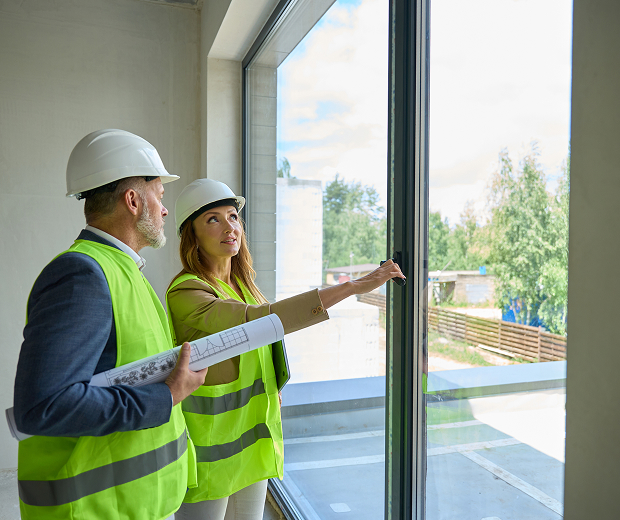
Threshold height is a detail that often gets overlooked. Even a small rise can create a barrier for wheelchair users or increase the risk of trips and falls. A properly designed threshold allows for a smooth transition between spaces without compromising structural integrity.
Flooring materials on either side of the door should align as closely as possible. Uneven surfaces or abrupt changes in height can interfere with mobility devices and reduce overall comfort. Coordinating these elements during installation helps create a smooth experience.
Weather protection is still necessary, especially for exterior doors. The challenge lies in balancing protection with accessibility. Professional installation covers both without sacrificing performance.
Material Selection And Long-Term Performance
Choosing the right door material has a direct impact on durability and maintenance. High-traffic entry points require materials that can handle repeated use while maintaining structural integrity.
Fiberglass entry doors are a strong option in many cases due to their resistance to warping, cracking, and moisture-related damage. They also offer design flexibility, allowing property owners to maintain a polished appearance while meeting functional requirements.
Glass components can also play a part in accessibility. STC rated glass doors help reduce outside noise, creating a quieter indoor environment. This can be especially valuable in homes located near busy streets or commercial areas.
Energy efficiency should not be overlooked. A well-installed door contributes to better insulation, helping regulate indoor temperatures and reduce energy costs over time.

Compliance And Building Standards
Accessibility guidelines and building codes exist to promote safe and functional design. These standards cover aspects of door installation, including width, hardware, and maneuvering space.
Meeting these requirements is not just about compliance; it protects property owners from potential issues in the future. Improper installations may lead to costly corrections or limit usability for occupants.
Working with experienced professionals helps line up the project with current standards while adapting to the specific needs of the space. This approach reduces uncertainty and supports a smoother installation process.
Need replacement windows in Houston?
Request a free estimate from Bella Vista Windows & Doors.
Use With Broader Renovation Plans
A handicap-accessible door rarely exists in isolation. It often connects to larger updates within the property. Coordinating door installation with other upgrades creates a more cohesive result.
For example, combining accessibility improvements with window replacement and installation can improve both function and energy performance across the home. Combining these upgrades during the same project helps maintain consistency in design and construction.
Accessibility should also extend beyond a single-entry point. Hallways, adjacent rooms, and outdoor access areas all contribute to the overall experience. Planning these elements together leads to better long-term results.

Aesthetic Considerations Without Compromise
Functionality does not have to come at the expense of visual appeal. Modern door options offer a wide range of styles, finishes, and configurations that complement different architectural designs.
Color selection, glass inserts, and hardware finishes can all be customized to match the existing look of the property. This allows accessibility upgrades to blend naturally with the surrounding environment.
A well-designed entry point adds to curb appeal while improving usability. The right balance between form and function creates a space that feels both practical and welcoming.
Professional Installation Makes The Difference
Installing a handicap-accessible door requires more than choosing the right product. Accurate measurements, structural adjustments, and careful fitting shape the final result.
Small installation mistakes can affect how the door performs over time. Misalignment, poor sealing, and incorrect hardware placement can create ongoing problems that impact usability.
Experienced professionals handle these details with precision. Their work improves long-term performance, reduces the need for future repairs, and helps the door operate correctly from the first day.

Upgrade Accessibility With Confidence And Lasting Quality
We take accessibility seriously because it directly impacts how people live, move, and interact with their space. At Bella Vista Windows and Doors, we focus on delivering entry solutions that combine durability, efficiency, and thoughtful design.
Every project we complete reflects our commitment to quality workmanship and honest pricing. Our team knows the importance of creating access points that feel natural, safe, and reliable over time.
We work closely with homeowners and property managers to deliver results that meet both functional needs and visual preferences. From selecting the right materials to completing a precise installation, we approach each project with attention to detail and professionalism.
If you have questions about upgrading to a handicap-accessible door, we invite you to reach out to us and start the conversation today.
Work With Bella Vista Windows and Doors
Bella Vista Windows and Doors focuses on delivering reliable solutions that improve both comfort and efficiency. Our team approaches every project with attention to detail, clear communication, and a commitment to honest pricing.
We work with homeowners to select windows that match their goals while maintaining high standards throughout the process.
We stand behind our work with experienced installation crews, strong product options, and a labor warranty that reflects our confidence in the results. Our knowledge of energy-efficient and impact-rated systems allows us to handle projects that demand both performance and durability.
If you have any questions about Bella Vista Windows and Doors or are ready to begin your project, please reach out to us today to request a quote.
Services Areas
No matter where you’re located in the greater Houston area — whether it’s Katy, The Woodlands, Sugar Land, Richmond, or League City — Bella Vista is your trusted partner for premium custom windows and doors.

Window Replacement Katy TX
Lorem Ipsum has been the industry's standard dummy text ever since the 15...

Vinyl Windows Sugar Land TX
Lorem Ipsum has been the industry's standard dummy text ever since the 15...

Replacement Windows Pearland TX
Lorem Ipsum has been the industry's standard dummy text ever since the 15...

Window Installation The Woodlands TX
Lorem Ipsum has been the industry's standard dummy text ever since the 15...
Featured Blogs

What Is U Factor In Windows A Comprehensive Guide
What Is U Factor In Windows A Comprehensive Guide Share Quick Summary U-factor measures how well a window prevents

What Is The STC Rating For Windows: Everything You Need To Know
Quick Summary STC rating for windows measures how well a window reduces outside noise, with
Stylish Front Door Ideas For Your Modern Home
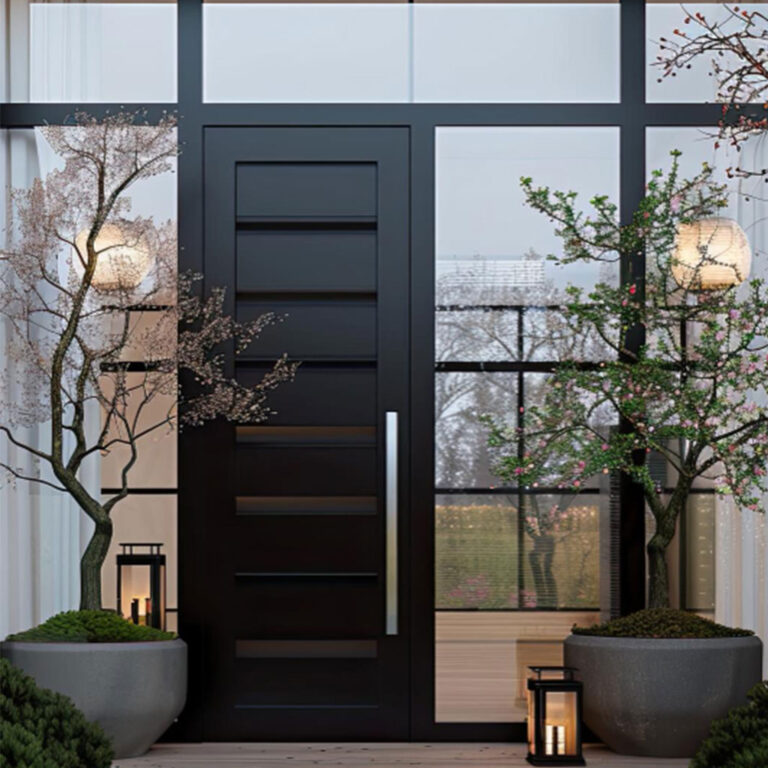
Quick Summary Exploring front door ideas is a practical way to elevate both the appearance and performance
FAQs
How do I know if I need to replace my windows?
Signs include drafts, condensation between panes, difficulty opening or closing, high energy bills, and visible damage like cracks or rot.
What is the difference between replacement windows and new construction windows?
Replacement windows are custom-made to fit existing window openings, minimizing disruption. New construction windows are used in new builds or extensive renovations and require a nailing flange for installation.
How much does window replacement cost?
The cost depends on factors like window size, materials, glass options, and features. We offer solutions for various budgets, from affordable energy-efficient options to high-end designs with premium features.
How long does the replacement process take?
Typically, the process takes 10 to 12 weeks. This includes measuring, manufacturing custom windows, and scheduling installation once they arrive to our warehouse.
What materials are available for replacement windows?
We offer vinyl and aluminum windows, each with unique benefits. Vinyl is energy-efficient and low-maintenance, while aluminum is durable and sleek.
Get Started
Ready to Transform Your Home?
Join hundreds of satisfied Houston homeowners. Get your free quote today—no pressure, no obligation.
*Limited time offer. 0% interest for 3 years on premium vinyl windows for qualified applicants. 20% discount available on select brands. Terms and conditions apply.
Important Information:
We require a minimum of 3 windows per project. We do not repair broken glass, sell parts or materials, or offer repairs on products we have not installed.