
Your Guide To The Window Replacement Process
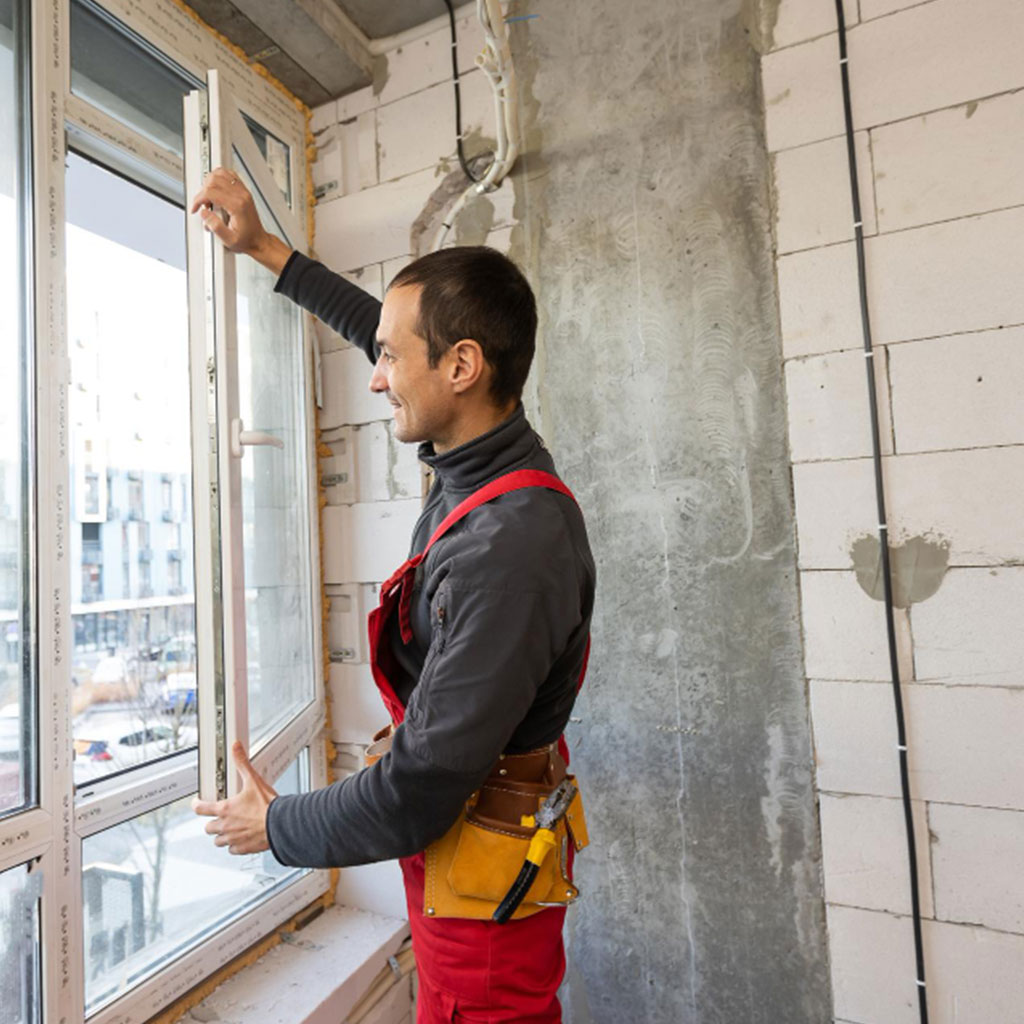
Quick Summary
The window replacement process involves far more than swapping out old glass. It begins with identifying warning signs such as drafts, condensation, or rising energy bills, followed by a detailed professional assessment that evaluates structure, measurements, and material options.
Homeowners then select features such as vinyl or aluminum frames along with double or triple-pane glass based on performance goals. Proper preparation and precise installation play a critical role in preventing air leaks, moisture issues, and long-term inefficiencies.
When completed correctly, new windows improve energy efficiency, indoor comfort, noise reduction, security, and overall home value, making professional installation a key part of a successful outcome.
The window replacement process shapes how your home looks, feels, and performs long after installation is complete. A well-managed project improves energy use, indoor comfort, and property value without unnecessary delays or confusion.
Many homeowners begin looking into window replacement and installation when they notice drafts, rising energy bills, or aging frames that no longer seal properly. Early research often includes comparisons like aluminum vs. vinyl, which helps narrow down material preferences based on durability and maintenance expectations.
Glass performance also becomes a focus, especially when weighing triple vs. double pane options for insulation and noise control.
Before any work begins, identifying your home’s structure, including the window replacement ROA, helps determine the right approach for accurate sizing and long-term performance.
Recognizing When Replacement Makes Sense
Windows rarely fail all at once. Small issues often build gradually and signal the need for a professional evaluation. Drafts near the frame, condensation between panes, or difficulty opening and closing windows often point to deeper concerns that temporary fixes cannot solve.
Older windows may lack modern sealing technology, allowing unwanted air exchange that disrupts indoor temperature balance. This increases strain on heating and cooling systems and often leads to rising utility costs even when usage habits remain unchanged.
Visual wear is another important factor. Warped frames, fading finishes, and visible gaps reduce curb appeal and lower overall home value. Replacing outdated windows delivers a refreshed appearance while improving performance across multiple areas.
What Happens During a Professional Assessment?
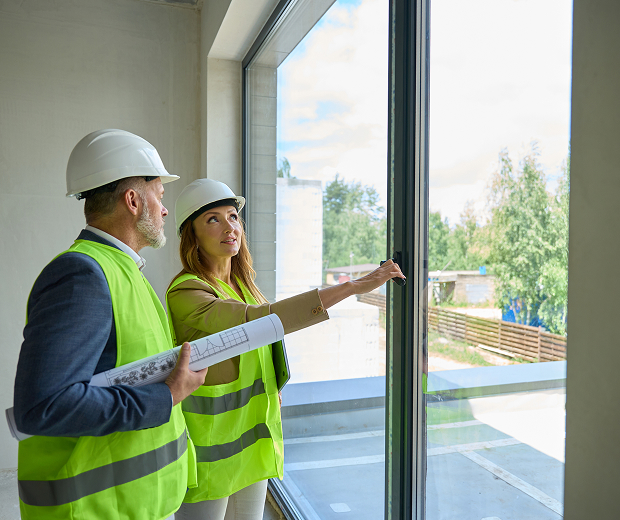
A proper evaluation goes far beyond a quick look at the glass. Experienced installers assess frame condition, wall structure, insulation gaps, and how each unit integrates with surrounding materials. This level of detail helps prevent future issues that can arise when problems are missed.
Precise measurements are taken to match each opening exactly. Even small miscalculations can lead to air leaks or operational issues later. This is why professional involvement during this stage is essential.
Material selection also takes place during this phase. Homeowners review frame styles, glass types, and performance features aligned with their goals. Each decision influences how the system performs over time, from energy efficiency to maintenance needs.
Choosing Materials That Fit Your Home
Material selection affects both appearance and long-term durability. Vinyl windows remain a popular choice due to low maintenance requirements and strong insulation properties. They resist moisture and do not require painting, making them practical for many homes.
Aluminum frames offer a different advantage. Their slim profile supports a modern aesthetic and allows for larger glass surfaces. However, aluminum can conduct heat more easily than other materials, which may affect indoor comfort depending on design and installation quality.
Glass configuration also plays a major role. Double-pane windows use two layers of glass with insulating gas between them, while triple-pane designs add an additional layer for enhanced insulation and noise reduction. The best option depends on climate conditions, home design, and performance expectations.
Preparing Your Home for Installation
Once materials are selected, preparation begins. This stage includes ordering windows, confirming measurements, and setting the installation schedule. Clear communication between homeowners and installers helps align expectations from the beginning.
Interior spaces near each window should be made accessible. Furniture may need to be moved, and coverings removed in advance. Exterior access is also important to allow efficient workflow without obstruction.
Professional teams take care to protect surrounding areas during installation. Floors, walls, and landscaping are shielded to reduce disruption. This preparation supports a clean and organized work environment throughout the project.

The Installation Phase Explained
Installation day involves coordinated steps that require precision and experience. Existing windows are carefully removed without damaging surrounding structures. This reveals the condition of the opening and allows adjustments if needed.
New windows are placed into the opening and secured according to the manufacturer’s specifications. Proper alignment is essential for smooth operation and a tight seal. Insulation is added around the frame to reduce air movement and improve efficiency.
Sealing completes the installation. High-quality materials are applied to prevent moisture intrusion and air leaks. Each unit is tested to confirm proper opening, closing, and locking before the team proceeds.
Need replacement windows in Houston?
Request a free estimate from Bella Vista Windows & Doors.
Post-Installation Review and Cleanup
After installation, a detailed review confirms that everything meets expectations. Installers check alignment, sealing, and overall performance for each unit. Any adjustments are made at this stage to avoid issues later.
Cleanup is also part of a professional service. Old materials are removed, and the work area is restored to its original condition. This attention to detail reflects the quality of the entire project.
Homeowners are then guided through the features of their new windows. This includes proper operation and maintenance tips that help preserve performance over time. Clear guidance supports long-term satisfaction with the investment.

Long-Term Benefits of Professional Replacement
Replacing windows offers benefits that extend well beyond appearance. Improved insulation reduces energy loss, which helps maintain consistent indoor temperatures. This creates a more comfortable living environment throughout the year.
Noise reduction is another advantage. Modern window designs limit outside sound, making indoor spaces quieter and more relaxing. This becomes especially valuable in busy neighborhoods or high-traffic areas.
Security also improves with updated locking systems and stronger materials. New windows are built to meet current standards, which adds an extra layer of protection for the home.
Avoiding Common Pitfalls
Choosing the lowest price without considering quality can lead to problems. Poor installation or inferior materials often result in air leaks, moisture issues, or early wear. These issues may require additional repairs, which increases long-term costs.
Relying on incomplete measurements is another risk. Even slight inaccuracies can affect how the window fits within the opening. This highlights the importance of working with experienced professionals who focus on precision.
Skipping a thorough evaluation may overlook hidden damage. Structural concerns or insulation gaps must be dealt with during the process to avoid complications after installation.

Work With Bella Vista Windows and Doors
Bella Vista Windows and Doors focuses on delivering reliable solutions that improve both comfort and efficiency. Our team approaches every project with attention to detail, clear communication, and a commitment to honest pricing.
We work with homeowners to select windows that match their goals while maintaining high standards throughout the process.
We stand behind our work with experienced installation crews, strong product options, and a labor warranty that reflects our confidence in the results. Our knowledge of energy-efficient and impact-rated systems allows us to handle projects that demand both performance and durability.
If you have any questions about Bella Vista Windows and Doors or are ready to begin your project, please reach out to us today to request a quote.
FAQs
- How long does the window replacement process usually take?
Most window replacement projects can be completed within one to a few days, depending on the number of windows and the complexity of the installation. Larger or custom projects may take longer due to ordering and preparation time.
- What is the difference between double–pane and triple–pane windows?
Double-pane windows use two layers of glass with insulating gas between them, while triple-pane windows add a third layer for improved insulation and noise reduction. Triple-pane options are typically better for energy efficiency but may come at a higher cost.
- Why is professional installation important for window replacement?
Professional installation assures accurate measurements, proper sealing, and correct alignment. This prevents common issues like air leaks, water intrusion, and operational problems that can occur with improper installation.
Work With Bella Vista Windows and Doors
Bella Vista Windows and Doors focuses on delivering reliable solutions that improve both comfort and efficiency. Our team approaches every project with attention to detail, clear communication, and a commitment to honest pricing.
We work with homeowners to select windows that match their goals while maintaining high standards throughout the process.
We stand behind our work with experienced installation crews, strong product options, and a labor warranty that reflects our confidence in the results. Our knowledge of energy-efficient and impact-rated systems allows us to handle projects that demand both performance and durability.
If you have any questions about Bella Vista Windows and Doors or are ready to begin your project, please reach out to us today to request a quote.
Services Areas
No matter where you’re located in the greater Houston area — whether it’s Katy, The Woodlands, Sugar Land, Richmond, or League City — Bella Vista is your trusted partner for premium custom windows and doors.

Window Replacement Katy TX
Lorem Ipsum has been the industry's standard dummy text ever since the 15...

Vinyl Windows Sugar Land TX
Lorem Ipsum has been the industry's standard dummy text ever since the 15...

Replacement Windows Pearland TX
Lorem Ipsum has been the industry's standard dummy text ever since the 15...

Window Installation The Woodlands TX
Lorem Ipsum has been the industry's standard dummy text ever since the 15...
Featured Blogs

What Is U Factor In Windows A Comprehensive Guide
What Is U Factor In Windows A Comprehensive Guide Share Quick Summary U-factor measures how well a window prevents

What Is The STC Rating For Windows: Everything You Need To Know
Quick Summary STC rating for windows measures how well a window reduces outside noise, with
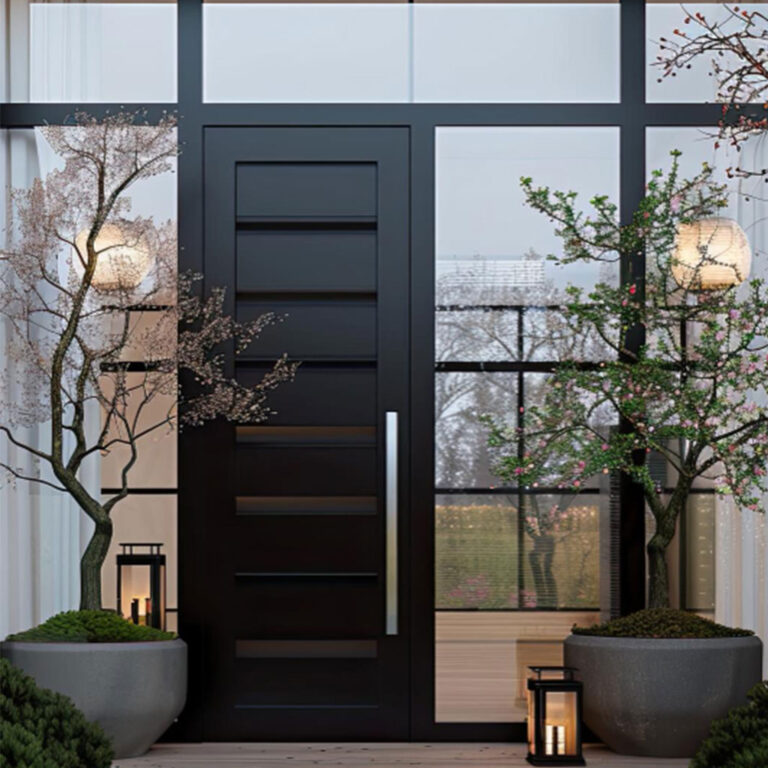
Stylish Front Door Ideas For Your Modern Home
Quick Summary Exploring front door ideas is a practical way to elevate both the appearance and performance
FAQs
How do I know if I need to replace my windows?
Signs include drafts, condensation between panes, difficulty opening or closing, high energy bills, and visible damage like cracks or rot.
What is the difference between replacement windows and new construction windows?
Replacement windows are custom-made to fit existing window openings, minimizing disruption. New construction windows are used in new builds or extensive renovations and require a nailing flange for installation.
How much does window replacement cost?
The cost depends on factors like window size, materials, glass options, and features. We offer solutions for various budgets, from affordable energy-efficient options to high-end designs with premium features.
How long does the replacement process take?
Typically, the process takes 10 to 12 weeks. This includes measuring, manufacturing custom windows, and scheduling installation once they arrive to our warehouse.
What materials are available for replacement windows?
We offer vinyl and aluminum windows, each with unique benefits. Vinyl is energy-efficient and low-maintenance, while aluminum is durable and sleek.
Get Started
Ready to Transform Your Home?
Join hundreds of satisfied Houston homeowners. Get your free quote today—no pressure, no obligation.
*Limited time offer. 0% interest for 3 years on premium vinyl windows for qualified applicants. 20% discount available on select brands. Terms and conditions apply.
Important Information:
We require a minimum of 3 windows per project. We do not repair broken glass, sell parts or materials, or offer repairs on products we have not installed.