

Quick Summary
Installing a sliding glass door requires far more than basic placement. It involves evaluating the existing structure, selecting appropriate materials, and taking precise measurements to achieve a proper fit. The process includes careful removal of the old door, accurate leveling and securing of the new unit, and detailed sealing to prevent air and moisture issues. Because of the weight, alignment requirements, and structural factors involved, professional installation helps avoid costly mistakes while supporting energy efficiency, smooth operation, and long-term durability.
Knowing how to install a sliding glass door starts with recognizing that this project involves far more than placing glass into an opening. The process demands accuracy, structural awareness, and the right materials to avoid long-term performance issues.
Many homeowners begin researching door replacement and installation only when their current doors no longer operate smoothly or fail to seal properly. Others explore options for new doors to upgrade style, increase natural light, or improve access to outdoor spaces.
Budget planning often includes reviewing the cost of a fiberglass door to compare materials and long-term value. In some cases, a full door replacement becomes necessary when the frame or surrounding structure shows signs of wear or damage.
Why Sliding Glass Doors Require Professional Attention
Sliding glass doors may look simple, but their performance depends on precise installation and tight sealing. Even small errors can lead to air leaks, water intrusion, or mechanical issues that worsen over time.
Large glass panels add significant weight, making proper alignment essential. If the door is not level or square, it may stick, drag, or fail to close securely. These issues affect usability and energy performance.
Weather resistance is also critical. Sliding doors must create a secure barrier against outdoor conditions. Poor installation can allow moisture entry, which may lead to structural damage or interior repairs.
Evaluating the Existing Opening
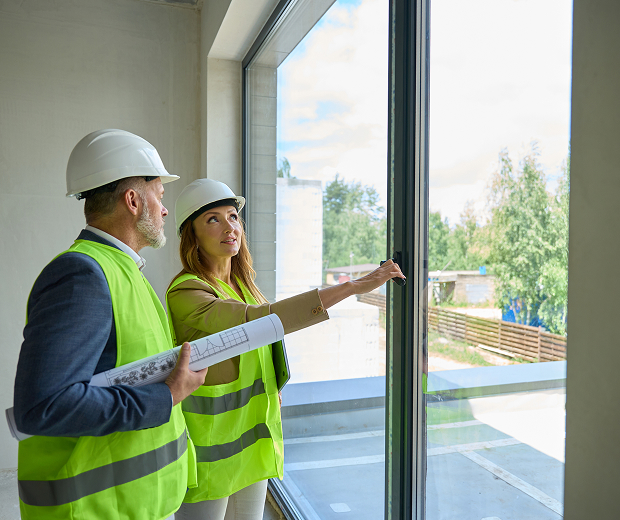
Before installation begins, the existing opening must be carefully inspected. This step determines whether the structure can support the new door or if modifications are required.
The frame should be checked for rot, warping, or weakened areas. These conditions directly affect how the new door will perform once installed.
Accurate measurements are taken at multiple points across the opening. Width, height, and depth must match the specifications of the new door system. Even small inconsistencies can create gaps that affect insulation and sealing.
Wall structure is also important. Load-bearing areas require careful handling to maintain structural integrity during replacement work.
Selecting the Right Sliding Glass Door
Choosing the right door involves more than visual appeal. Material, glass type, and frame design all influence performance and long-term maintenance.
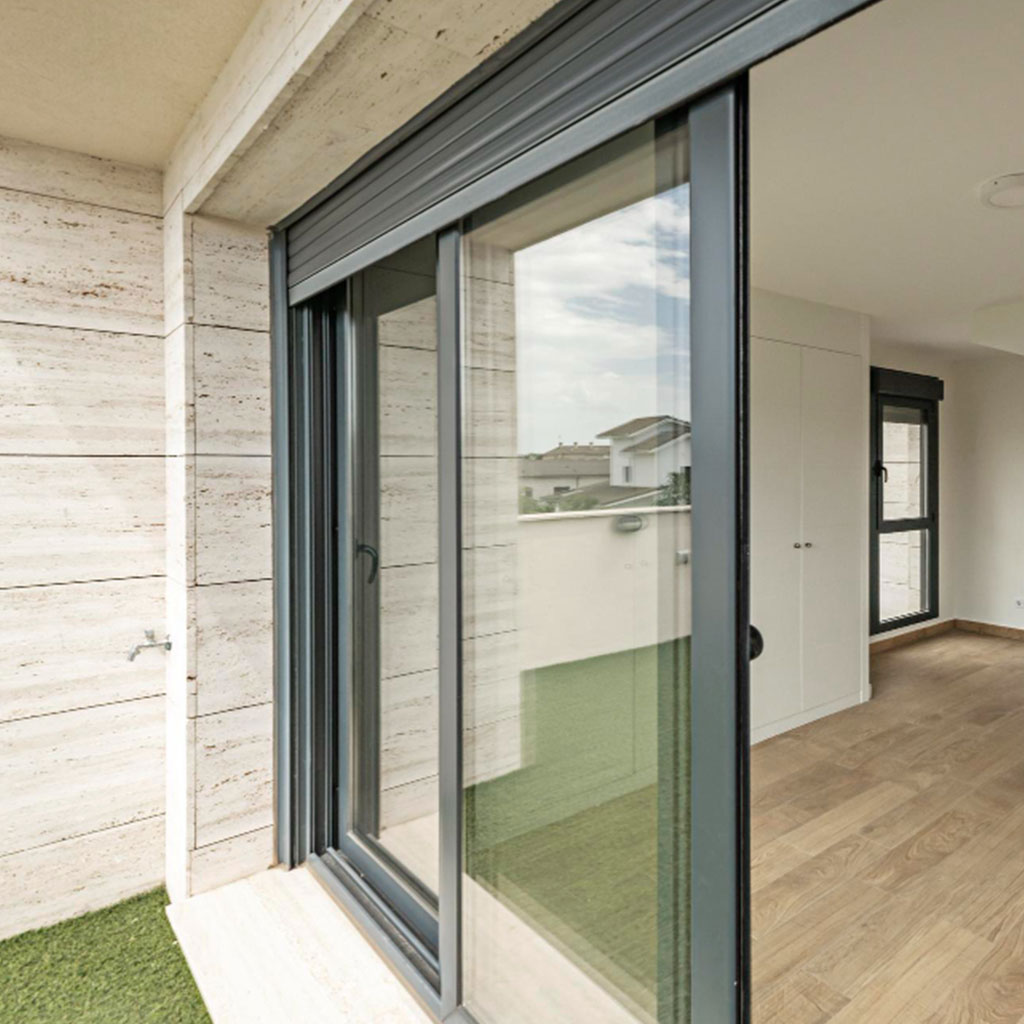
Vinyl frames offer strong insulation and resist moisture, making them a practical choice for many homes. Aluminum frames deliver a modern appearance with slimmer profiles, although heat transfer can be higher depending on design quality.
Glass options also vary. Double-pane glass includes an insulating layer between panes, while upgraded systems offer better thermal control and noise reduction. These factors directly affect comfort and energy use.
Hardware and track systems play an important role as well. Smooth movement depends on durable rollers and properly aligned tracks, while lower-quality components can wear out faster and reduce lifespan.
Preparing for Installation Day
Preparation plays a key role in a successful installation. The team clears the work area to open access to both interior and exterior sides of the opening.
Furniture near the entry moves away from the space, and the flooring gets protected to prevent damage. Outdoor items such as plants, seating, or décor are temporarily relocated to create a safe and open workspace.
Professional installers bring the necessary tools and materials, including insulation, sealing compounds, and fastening systems designed for long-term performance. Clear communication sets expectations around timing, noise levels, and temporary disruption during installation.
Removing the Existing Door
The process begins with careful removal of the existing door to protect surrounding materials. Installers remove trim, fasteners, and sealing elements to expose the frame.
Once the door comes out, the full opening becomes visible. This allows the team to inspect hidden damage that may not have been visible earlier.
All debris and leftover materials are cleared to create a clean surface for installation. A properly prepared opening supports better alignment and sealing performance.
Installing the New Sliding Glass Door
Installers place the new door into the opening with precise positioning. The frame must sit evenly to support proper function and a tight fit.
The team makes leveling adjustments during placement. Shims correct uneven areas and maintain consistent spacing around the frame.
After alignment, installers secure the door according to the manufacturer’s specifications. Fasteners anchor the frame at designated points to hold it firmly in place.
Insulation fills the perimeter to block air movement. This step improves energy efficiency and helps maintain indoor comfort.
Sealing follows with high-quality materials that protect against moisture and drafts. Each section of the frame gets sealed carefully to form a continuous barrier.
Testing and Final Adjustments
After installation, the door is tested to confirm smooth operation. It should slide easily along the track without resistance or misalignment.
Installers check locking mechanisms to confirm proper engagement. Security depends on accurate alignment between the door panels and locking components.
The team completes any final adjustments at this stage. Fine-tuning helps the door operate correctly and meet performance expectations.
Common Challenges and Risks
Sliding glass door installation presents several challenges that require experience to manage effectively. Uneven openings can complicate fit, while structural issues may require additional reinforcement.
Improper sealing is one of the most common problems. Gaps around the frame allow air and moisture to enter, which can lead to discomfort and damage over time.
Incorrect measurements also create issues. A door that does not fit properly may never function as intended, even after adjustments.
Handling large glass panels carries safety risks as well. Professional installers use proper techniques and equipment to manage these materials safely.
Work With Bella Vista Windows and Doors
At Bella Vista Windows and Doors, we take pride in delivering high-quality door solutions that improve both function and appearance. We focus on precise installation methods, reliable products, and clear communication throughout every project.
We help homeowners select the right sliding glass doors based on performance, style, and long-term value. Our experienced team handles each step with care, from evaluation to final adjustments, so the finished result meets high standards.
If you have any questions about Bella Vista Windows and Doors or are ready to upgrade your space, please reach out to us today to request a quote.
FAQs
- Can I install a sliding glass door myself?
While it may seem manageable, sliding glass door installation requires precise measurements, structural evaluation, and proper sealing. Mistakes can lead to leaks, poor operation, and long-term damage, which is why professional installation is strongly recommended.
- How do I know if my door opening is suitable for a sliding glass door?
The opening must be structurally sound, properly sized, and free of damage like rot or warping. A professional assessment can determine if modifications or reinforcements are needed before installation.
- What are the most common problems with sliding glass door installation?
Common issues include improper leveling, poor sealing, and incorrect measurements. These can cause drafts, water intrusion, difficulty opening and closing, and reduced energy efficiency.