

Bella Vista Windows and Doors

How To Choose The Best Front Door Materials

How To Choose The Best Front Door Materials

Quick Summary

Choosing the best front door materials affects home durability, energy efficiency, security, and curb appeal. Wood delivers classic beauty but requires ongoing maintenance, steel delivers strong security and insulation, fiberglass balances performance with low upkeep, and aluminum delivers a clean, modern appearance. The right choice depends on climate, design preference, and long-term maintenance expectations tied to front door materials.

Selecting the right front door materials matters greatly in how a home looks, performs, and holds up over time. The entry door sets the tone for the entire property while also serving as a major barrier between indoor comfort and outdoor conditions.

Homeowners often begin exploring door replacement and installation when their existing entry door shows signs of wear, poor insulation, or outdated style.

In many cases, the decision to upgrade leads to considering new doors that better match modern design expectations and energy performance goals.

Over time, aging entry systems may require full door replacement to restore security, efficiency, and curb appeal.

Why Front Door Material Choice Matters

A front door faces constant environmental exposure. Heat, cold, moisture, and sunlight all affect performance over time. The choice of front door materials directly influences durability, maintenance needs, and long-term appearance.

Energy efficiency also depends on material selection. Poor insulation allows heat loss during colder months and unwanted heat gain during warmer seasons, which affects comfort and energy use throughout the year.

Security connects closely to material strength. Some options resist impact and forced entry more effectively, while others prioritize design flexibility or insulation performance. Front door materials play a direct role in balancing these priorities.

Wood Front Doors and Their Appeal

Wood remains a traditional option among front door materials due to its natural appearance and design flexibility. It can be carved, shaped, and stained in multiple ways to match different architectural styles.

Solid wood doors deliver a strong and substantial feel. Refinishing over time can extend lifespan when maintenance is handled correctly.

Wood requires consistent upkeep. Moisture and temperature changes can lead to warping or cracking if sealing is not maintained. Front door materials like wood demand attention to environmental exposure over time.

Steel Doors for Strength and Security

Steel stands out among front door materials for durability and impact resistance. It creates a strong protective barrier and is often selected for security-focused installations.

Most steel doors include an insulated core that improves thermal performance. This helps stabilize indoor temperatures and reduces energy loss through the entryway.

Steel surfaces can be finished with textures that resemble wood grain, which allows a more traditional appearance while maintaining strength.

Dents or scratches may appear over time, depending on usage and exposure, which is a consideration when comparing front door materials for long-term appearance retention.

Fiberglass Doors and Modern Performance

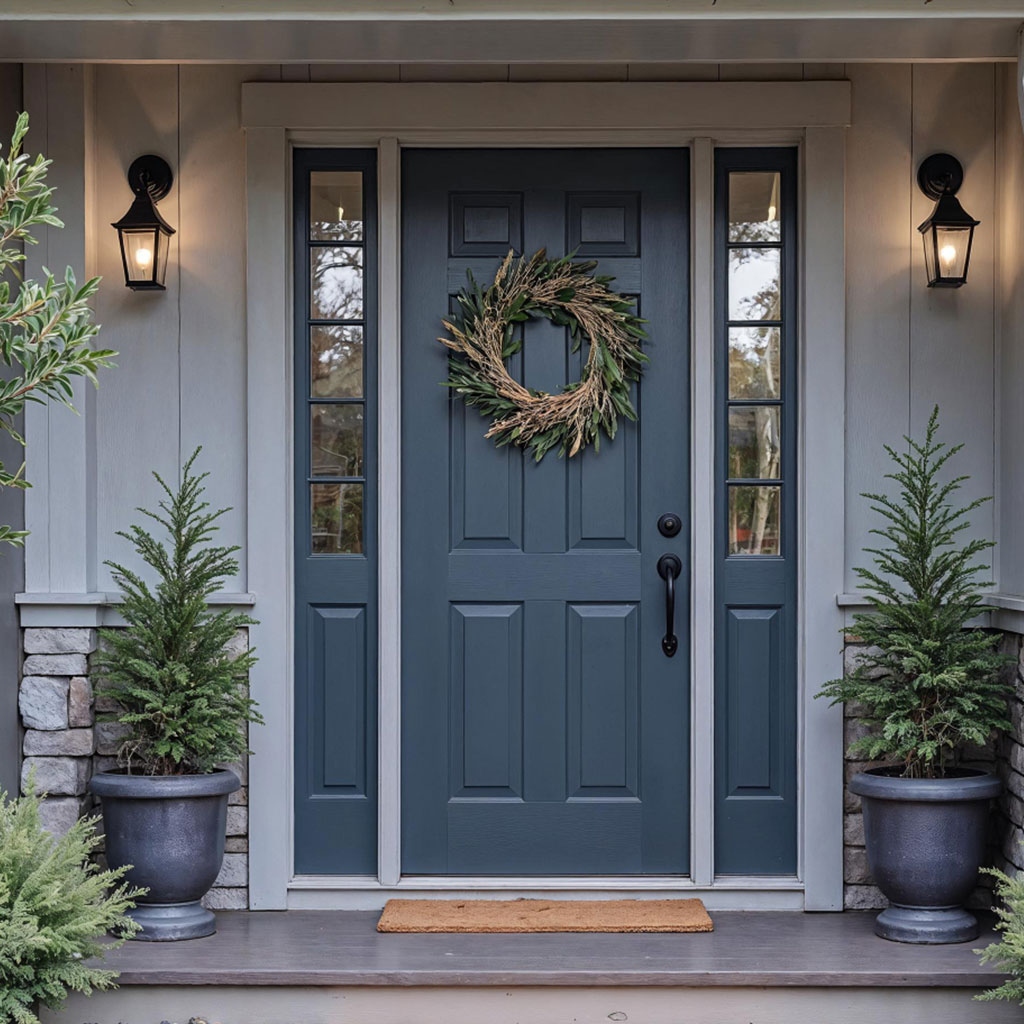
Fiberglass has become one of the most balanced front door materials due to its strength, insulation, and low maintenance. It resists moisture – suitable for many climates.

Fiberglass can replicate wood appearance without the same upkeep requirements. This makes it attractive for homeowners who want design flexibility with reduced maintenance demands.

Energy efficiency remains strong due to insulated cores that reduce heat transfer. Among front door materials, fiberglass performs consistently in both traditional and modern home designs.

Aluminum Doors and Contemporary Design

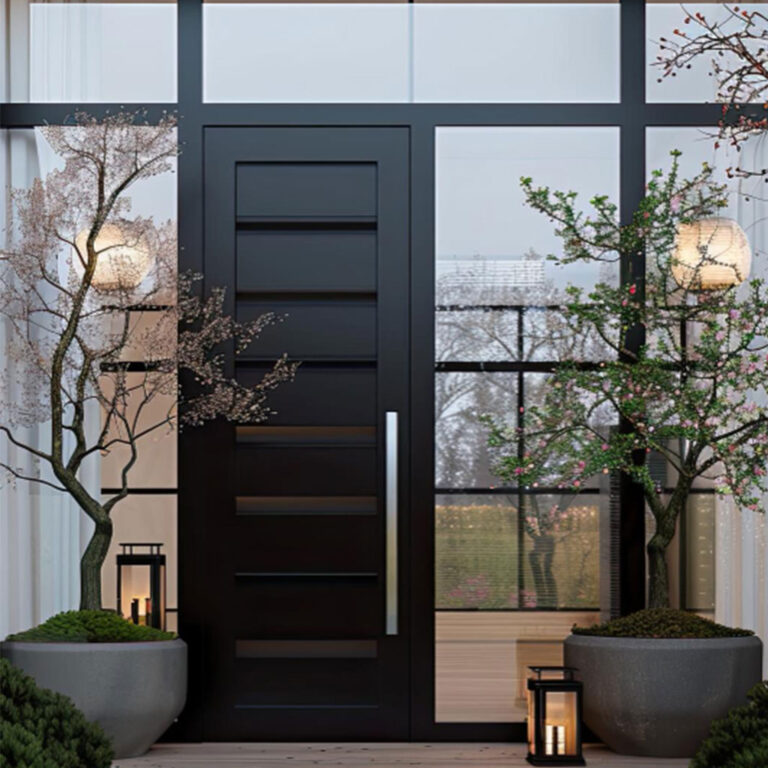
Aluminum is often chosen for modern architecture due to its clean lines and slim profiles. This allows for larger glass sections and a minimalistic appearance.

It is lightweight, strong, and resistant to rust and corrosion, supporting long-term durability in many environments.

Thermal performance depends on construction quality. Some aluminum doors include thermal breaks that reduce heat transfer and improve efficiency. Aluminum continues to grow in popularity among front door materials for homeowners seeking a modern aesthetic with structural reliability.

Comparing Performance

Each option among front door materials brings different strengths. Wood emphasizes natural beauty, steel focuses on security, fiberglass balances durability and efficiency, and aluminum highlights modern design.

Energy efficiency depends more on insulation quality and sealing than on material alone. Core design and installation quality strongly influence indoor comfort.

Maintenance needs vary as well. Wood requires the most upkeep, while fiberglass and aluminum typically require less ongoing care. Understanding these differences helps narrow down the best choice in front door materials based on home conditions and design goals.

Choosing the Right Door for Your Home

Selecting front door materials involves balancing appearance, performance, and maintenance expectations. Homes in harsh climates may benefit from materials with stronger resistance to moisture and temperature changes.

Design preference also plays a major role. Some homeowners prefer traditional wood aesthetics, while others choose modern glass and metal combinations. Security, energy efficiency, and long-term maintenance all influence the final decision when evaluating front door materials.

Work With Bella Vista Windows and Doors

Bella Vista Windows and Doors assists homeowners in choosing entry solutions that combine durability, style, and performance. Our team focuses on guiding each project with clear information and precise installation practices that support long-term value.

We offer a range of front door options designed to meet different architectural styles and performance needs. Every installation is handled with attention to detail to ensure proper fit, sealing, and function.

If you have any questions about Bella Vista Windows and Doors or are ready to check out new entry solutions for your home, please reach out to us today to request a quote.

FAQs

  1. What is the most durable front door material?

Steel and fiberglass are generally the most durable options. Steel offers high impact resistance, while fiberglass resists moisture, warping, and temperature changes.

  1. Which front door material is most energy efficient?

Fiberglass and insulated steel doors typically perform best for energy efficiency due to their insulated cores and strong sealing capabilities.

  1. Does a wood front door require a lot of maintenance?

Yes, wood doors require regular sealing, painting, or staining to protect against moisture, sun exposure, and potential warping or cracking over time.

Scroll to Top