
Quick Summary
Choosing the best windows for natural light goes beyond increasing glass size. Placement, frame design, and glass technology all shape how light enters and moves through a home.
Larger window styles, slim frames, and energy-efficient glass help create bright interiors without excessive heat or glare. When selected and installed correctly, the right solutions improve openness, reduce energy use, and elevate everyday comfort. Windows for natural light play a central role in shaping how interior spaces feel throughout the day.
Selecting the right windows for natural light can completely change how your home looks and feels throughout the day. Bright, well-lit interiors create a welcoming atmosphere while reducing reliance on artificial lighting.
Some homeowners only begin exploring window replacement and installation when their current windows limit brightness or feel outdated. Glass configuration becomes part of the decision, especially when comparing triple vs. double pane options for clarity and insulation.
Frame material also enters the conversation, with aluminum vs. vinyl offering different visual and performance benefits. Design inspiration often comes from reviewing modern window styles, which showcase how updated layouts can transform interior spaces.
Why Natural Light Matters in Modern Homes
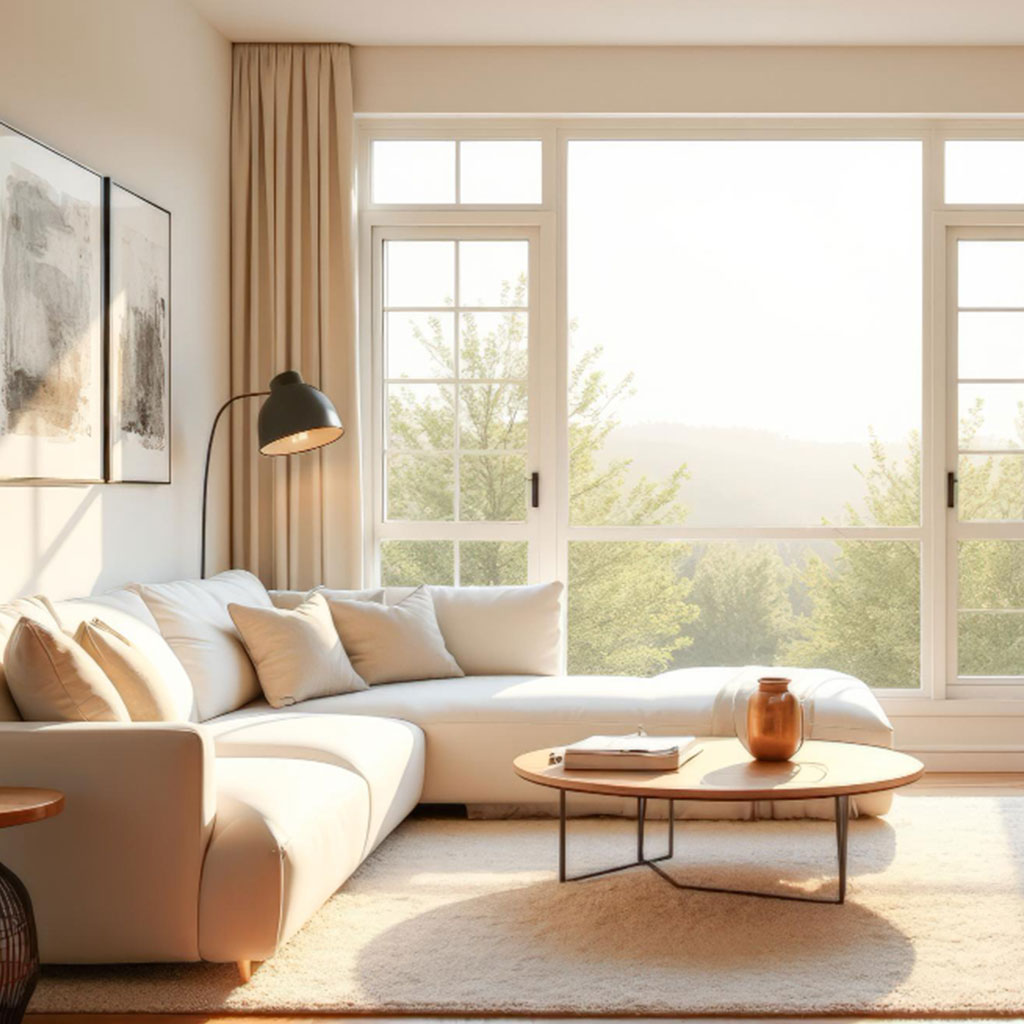
Natural light impacts more than visibility. It shapes mood, enhances interior design, and creates a sense of openness that artificial lighting cannot replicate. Rooms filled with daylight feel larger and more inviting even without structural changes. Windows for natural light help achieve this effect across different areas of the home.
Properly placed windows highlight architectural details, flooring, and furnishings. Light changes throughout the day, adding movement and depth to interior spaces. This creates a more dynamic and engaging environment.
Energy use also connects directly to daylight exposure. Homes that maximize natural illumination reduce reliance on artificial lighting during peak hours, improving overall efficiency while maintaining comfort.
Window Placement Shapes Light Flow
Window position determines how daylight enters and spreads throughout a home. South-facing windows typically receive the most consistent sunlight, making them ideal for living areas and shared spaces.
East-facing windows bring softer morning light, while west-facing openings capture stronger afternoon brightness. North-facing windows deliver more even, indirect illumination that works well in areas where glare needs to be minimal. Windows for natural light rely heavily on this strategic placement to perform effectively.
Careful placement lets light move more evenly through a home. Larger openings in key areas help prevent overly dark or overly bright zones, creating balanced interior lighting throughout the day.
Larger Glass Areas Create Brighter Spaces
Window size directly affects how much daylight enters a room. Expansive glass surfaces increase brightness and create a more open atmosphere.
Picture windows remain one of the most effective choices for maximizing daylight. Their fixed design allows uninterrupted glass that captures outdoor views and brings in steady illumination.
Sliding windows and wide horizontal designs also increase light flow. These styles suit modern layouts that emphasize clean lines and open spaces.
Floor-to-ceiling designs deliver another level of brightness. They create a strong visual connection between indoor and outdoor areas while maximizing windows for natural light in a dramatic way.
Frame Design Affects Visibility
Frame thickness plays a direct role in how much glass area remains visible. Slimmer frames allow more light to enter, while thicker frames reduce visible glass area slightly.
Aluminum frames are known for their narrow profiles, making them ideal for maximizing glass and maintaining a modern aesthetic. Vinyl frames usually feature a thicker structure but continue to improve in design and efficiency.
Selecting between frame types requires balancing visual appeal and performance. Both options can support strong results when chosen carefully for windows for natural light.
Glass Technology Improves Light Without Sacrificing Comfort
Modern glass technology increases daylight exposure while controlling heat and glare inside the home. Low-emissivity coatings manage heat transfer while still letting visible light pass through.
Double-pane glass uses two layers with an insulating space between them. Triple-pane glass adds an additional layer, enhancing insulation while preserving clear visibility.
Tinted and reflective glass options reduce glare in areas with strong sunlight. Frosted glass supports privacy while still letting daylight move through interior spaces. These advancements help windows for natural light perform efficiently across different environments and seasons.
Open Floor Plans Work With Light Distribution
Open layouts enhance the movement of natural light. Without walls blocking flow, daylight spreads more evenly across connected spaces.
Placing windows along shared walls helps distribute light into multiple areas at once. This reduces the need for extra openings while maintaining consistent brightness throughout the space.
Interior finishes also influence light distribution. Light-colored surfaces reflect daylight, while darker materials absorb more of it. These choices affect how windows for natural light perform within the overall design.
Window Styles That Maximize Daylight
Certain window styles are specifically designed to increase daylight exposure. Casement windows open outward, allowing larger glass areas and improved ventilation. Awning windows combine ventilation and protection from rain – suitable for layered window designs.
Bay and bow windows extend outward from the home, capturing light from multiple angles and adding depth to interior spaces.
Clerestory windows sit higher on walls and bring in light while preserving privacy. These styles often appear in modern architecture focused on clean design and bright interiors. Windows for natural light benefit strongly from these configurations.
Balancing Light With Privacy
Maximizing daylight does not require giving up privacy. Thoughtful design choices help achieve both.
Higher window placement reduces direct sightlines from outside. Frosted or textured glass adds privacy while still allowing light to enter freely.
Landscaping also contributes to privacy control. Trees, shrubs, and fencing create natural barriers without blocking sunlight. Combining these methods allows homeowners to maintain comfort while maximizing windows for natural light throughout the home.
Work With Bella Vista Windows and Doors
Bella Vista Windows and Doors helps homeowners achieve brighter, more comfortable living spaces through expertly selected window solutions. We guide each project with attention to detail, from choosing the right designs to completing precise installations that support long-term performance.
We offer a range of options designed to maximize natural light while improving energy efficiency and overall comfort. Our team works closely with homeowners to match window styles with their goals, creating results that enhance both appearance and function.
If you have any questions about Bella Vista Windows and Doors or are ready to upgrade your home with better window solutions, please reach out to us today to request a quote.
FAQs
- Which window styles bring in the most natural light?
Picture windows, sliding windows, and floor-to-ceiling designs bring in the most light due to their large glass areas and minimal obstructions.
- Do bigger windows make a home less energy efficient?
Not necessarily. Modern windows with low-emissivity coatings and double or triple-pane glass maintain insulation while still bringing in plenty of natural light.
- How can I increase natural light without losing privacy?
You can use frosted or textured glass, install higher placement windows like clerestory styles, or add landscaping elements to limit visibility while still allowing sunlight in.