

Bella Vista Windows and Doors

How Long Does It Take To Replace A Window: Complete Timeline

How Long Does It Take To Replace A Window: Complete Timeline

How long does it take to replace a window? That is one of the first questions property owners ask when planning an upgrade. The answer depends on several things, including the condition of the existing structure, the number of windows involved, and the type of products being installed.

Many homeowners look at timing as part of a broader window replacement and installation plan that improves efficiency and appearance. Others review a detailed window replacement guide to better see what to expect before committing to the project.

Planning often includes identifying the best replacement time for windows to avoid weather-related delays or scheduling conflicts. At the same time, working with a team focused on window replacement done right helps prevent setbacks that can extend the timeline.

What A Typical Window Replacement Timeline Looks Like

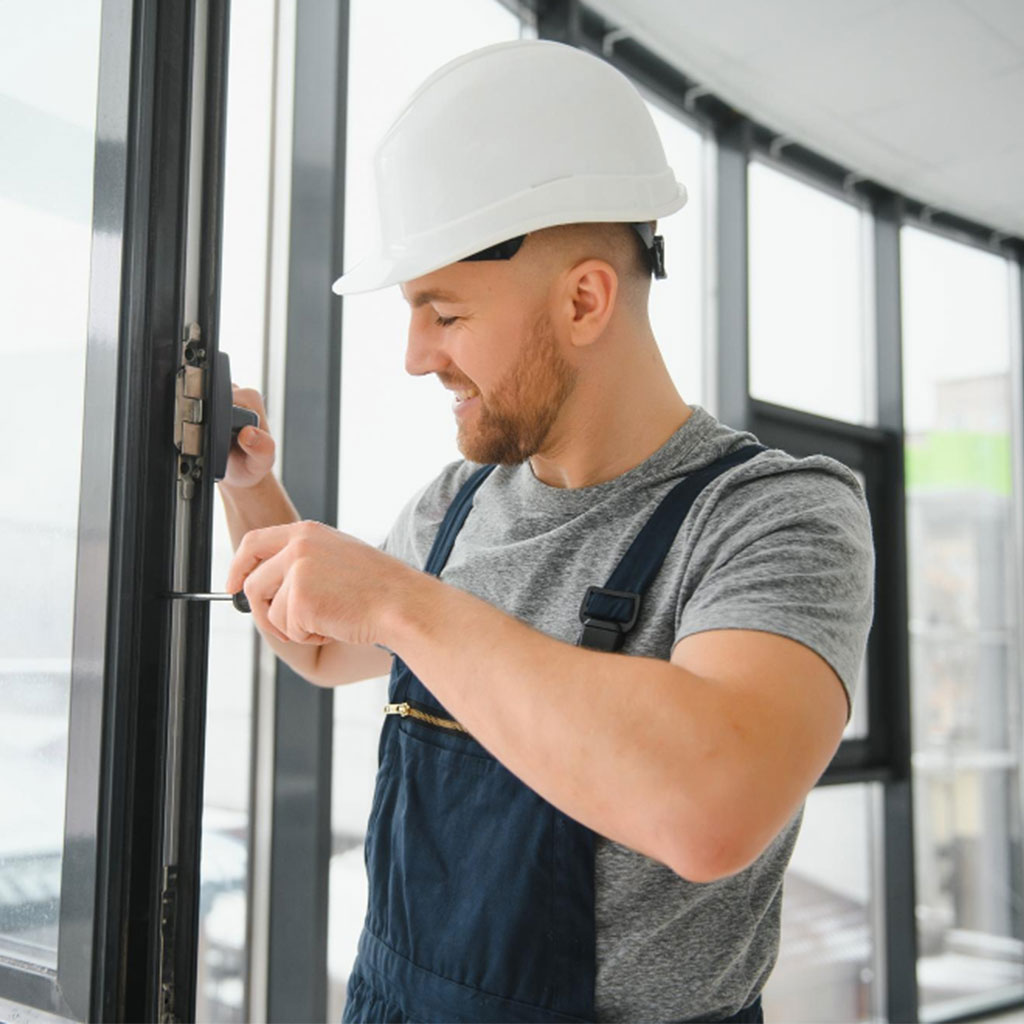
Replacing a standard window usually takes between 30 minutes and a few hours once installation begins. This applies when the opening remains in good condition and does not need structural changes.

The full process takes longer than the installation itself. It begins with an initial consultation, followed by measurements, product selection, and ordering. Scheduling comes after that. Each stage adds to the overall timeline even when installation moves quickly.

For multi-window projects, crews often complete several windows within a single day. Larger homes and more complex layouts may take additional time to maintain consistency across each opening.

What Influences Installation Speed?

Every property presents different conditions, which affect how long the process takes. Understanding these factors helps set realistic expectations.

  • Existing Frame Condition: If the current frame shows signs of damage, rot, or shifting, additional work may be needed before a new window can be installed. Repairs add time but are necessary to support long-term performance.
  • Window Size And Style: Standard sizes are typically faster to install than custom configurations. Specialty shapes or larger openings may require extra adjustments, which can extend the timeline.
  • Accessibility Of The Installation Area: Windows located on upper floors or in hard-to-reach areas often require more preparation. Equipment setup and safety considerations can add time to the process.
  • Weather Conditions: Outdoor conditions can influence scheduling and installation pace. Rain, high humidity, or extreme temperatures may slow progress or require rescheduling to maintain proper installation quality.

The Pre-Installation Phase: What Happens Before Work Begins

Before any window is removed, a series of steps takes place behind the scenes. These steps are directly related to keeping the project on track.

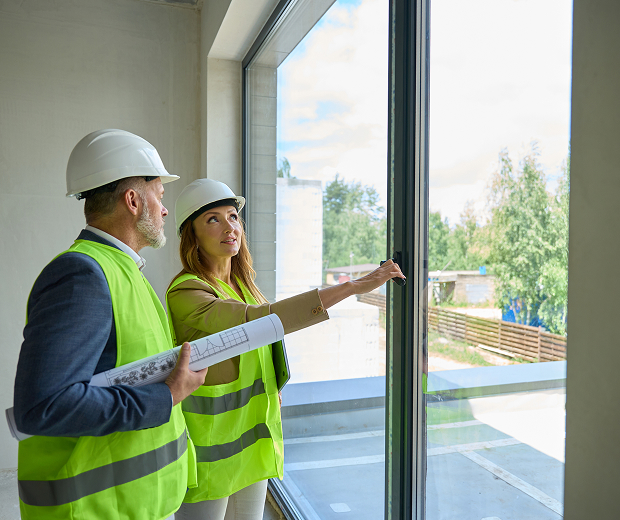
The process typically starts with an in-home consultation. During this visit, measurements are taken, product options are reviewed, and project goals are discussed. Accurate measurements are necessary, as even small discrepancies can lead to delays once installation begins.

After measurements are confirmed, the selected windows are ordered. Production timelines differ depending on the manufacturer and customization level. Standard products may arrive sooner, while custom designs often require additional lead time.

Scheduling is finalized once the products are ready. Coordinating installation dates with both the homeowner and the installation team helps keep the project moving smoothly.

Installation Day: What To Expect

When installation day arrives, the process follows a structured sequence designed to maintain efficiency and precision.

Crews begin by preparing the work area. This includes protecting flooring, nearby furniture, and surrounding surfaces. Proper preparation reduces the risk of damage and keeps the workspace organized.

The existing window is carefully removed, and the opening is inspected for any issues that could affect the new installation. If adjustments are needed, they are completed before the new window is set in place.

Once the new unit is installed, it is secured, sealed, and checked for proper operation. Insulation and finishing touches are applied to complete the process. Each step is performed with attention to detail to support long-term performance.

Why Professional Installation Impacts The Timeline

Working with experienced professionals has a direct effect on how efficiently a project moves forward. Skilled installers anticipate potential challenges and handle them without unnecessary delays.

Improper installation can lead to problems that require corrections later. Issues such as air leaks, misalignment, or poor sealing can extend the timeline and increase overall costs. A professional approach reduces these risks and keeps the project on schedule.

Efficiency does not come at the expense of quality. A well-executed installation balances speed with precision, resulting in a finished product that performs as expected.

Multi-Window Projects And Extended Timelines

Replacing multiple windows at once introduces added considerations. While crews often complete several installations in a single day, larger projects may span multiple days to maintain consistency.

The layout of the property affects how work is scheduled. Installers may move from room to room or complete one section at a time to minimize disruption. This approach allows the project to progress steadily while maintaining attention to detail.

Coordination is especially important for larger projects. Clear communication between the homeowner and the installation team helps keep everything on target from start to finish.

Choosing The Right Time For Your Project

Timing plays a role in both the project length and the overall experience. Many property owners plan installations during milder seasons to avoid extreme weather conditions.

The best replacement time for windows depends on local climate patterns and personal schedules. Planning ahead creates more flexibility when selecting installation dates.

Material availability can impact timing. Installer schedules also affect how soon work can begin. Booking in advance helps secure a preferred timeframe and lowers the chance of delays.

Avoiding Delays Through Proper Planning

A well-planned project tends to move forward with fewer interruptions. Clear communication, precise measurements, and realistic expectations help keep each stage efficient.

Working with a reliable team keeps the process organized from beginning to end. The timeline stays more predictable when each phase follows a clear structure, from the first consultation through final installation.

Strong attention to detail early in the process reduces the chance of issues later. This approach keeps the project aligned with the original schedule and minimizes unexpected delays.

A Faster, More Reliable Window Upgrade Starts Here

We know that timing matters when planning a window upgrade, especially when it affects your daily routine and overall comfort. At Bella Vista Windows and Doors, we focus on delivering efficient, high-quality results without cutting corners.

Our team brings experience, precision, and a commitment to getting every detail right from the start.

We handle every step of the process with care, from accurate measurements to final installation. Our goal is to complete each project in a way that supports long-term performance while minimizing disruption to your home.

If you are wondering, ‘how long does it take to replace a window,’ for your specific property, we are here to help. Contact us today to discuss your project and schedule a consultation.

Scroll to Top